
Solar Energy: A Smarter Choice for a Sustainable Future
Solar energy is becoming one of the most practical and reliable solutions for reducing electricity costs and moving towards clean, renewable energy. With rising electricity prices and increasing awareness about sustainability, residential, commercial, and industrial customers are increasingly choosing solar power systems for their energy requirements.
What Is Solar Energy?
Solar energy is electricity generated by converting sunlight into usable electrical power. Solar panels installed on rooftops or suitable open areas capture sunlight and convert it into electricity through photovoltaic (PV) technology.
A properly designed solar power system can help businesses and homeowners generate a significant portion of their electricity requirements from a clean and renewable source.
Why Should You Consider Installing a Solar Power System?
Installing a solar power system is not only about generating clean energy. It can also be a long-term investment that helps reduce dependence on conventional electricity and provides better control over energy expenses.
- Reduce monthly electricity expenses
- Generate clean and renewable energy
- Reduce dependence on conventional power sources
- Make better use of available rooftop space
- Increase long-term energy independence
- Support environmentally responsible energy consumption
How Does a Solar Power System Work?
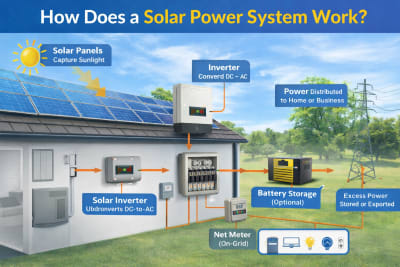
A solar power system works through multiple components that operate together to convert sunlight into usable electricity.
- Solar Panels: Solar panels capture sunlight and convert solar energy into DC electricity.
- Solar Inverter: The inverter converts the DC electricity generated by the panels into AC electricity that can be used by electrical appliances and equipment.
- Electrical Protection System: Appropriate protection and electrical components help ensure safe and reliable operation of the system.
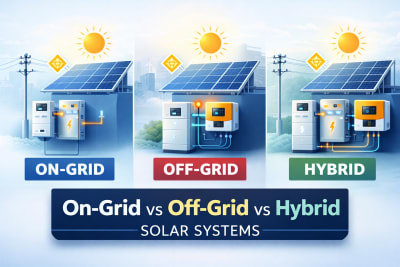
- Grid Connection: In a grid-connected system, the solar installation can work with the electricity grid according to the applicable system configuration and regulations.
Solar Solutions for Homes
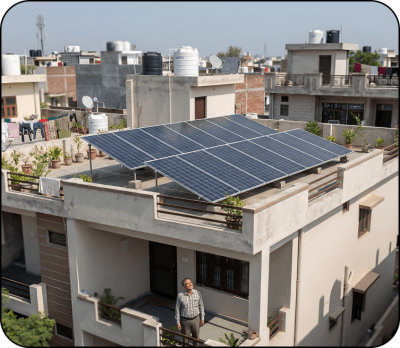
Residential rooftop solar systems are designed to help homeowners generate electricity using the available rooftop area. The required system capacity depends on factors such as electricity consumption, available roof space, sunlight conditions, and the customer's energy requirements.
A professional site assessment is important before installation because roof orientation, shading, structural conditions, and electrical requirements can affect the performance of a solar system.
Solar Solutions for Commercial and Industrial Applications
Commercial and industrial facilities often have substantial electricity requirements during operating hours. A properly designed solar power system can help such businesses utilize available rooftop or suitable installation areas for on-site power generation.
Solar solutions can be customized according to the facility's electricity consumption, available installation area, load profile, system capacity, and operational requirements.
Important Components of a Solar Power System
The overall performance of a solar installation depends on the quality, compatibility, and proper sizing of its components.
- Solar PV modules
- Solar inverter
- Mounting structure
- DC and AC protection equipment
- Solar cables and connectors
- Earthing and safety components
- Monitoring system, where applicable
- Battery storage for applicable solar configurations
How Much Solar Capacity Do You Need?
There is no single solar system size that is suitable for every customer. The right capacity should be determined after evaluating electricity consumption and site conditions.
Factors that should be considered include monthly electricity consumption, available rooftop area, daytime electricity usage, shading, roof orientation, equipment requirements, and the customer's long-term energy objectives.
Solar Installation: Why Professional Design Matters
Solar installation is more than simply placing panels on a rooftop. Correct system design, component selection, electrical protection, mounting, wiring, commissioning, and testing are important for achieving safe and reliable operation.
A professional solar installation should begin with a proper site survey and technical assessment. This helps identify potential installation challenges before the system is finalized.
Solar System Maintenance
Solar power systems generally require relatively low maintenance, but regular inspection and monitoring are important for maintaining reliable performance.
- Keep solar panels reasonably clean
- Monitor system performance
- Inspect cables and electrical connections
- Check mounting structures periodically
- Review inverter alerts and system notifications
- Arrange professional inspection when required
Is Solar Power a Good Long-Term Investment?
Solar power can be a valuable long-term energy investment when the system is properly designed for the customer's electricity requirements and site conditions.
The financial benefits depend on several factors, including system cost, electricity consumption, applicable electricity tariffs, solar generation, financing, available incentives or subsidies, and the operating life of the installed equipment.
Why Choose a Professional Solar Partner?
Choosing the right solar installation partner is important because the quality of system design, equipment selection, installation, safety practices, commissioning, and after-sales support can directly affect the overall experience and performance of a solar project.
A reliable solar partner should understand the customer's energy requirements and provide a solution based on actual site conditions rather than simply recommending a standard system size.
Conclusion
Solar energy is an increasingly practical solution for homeowners, businesses, and industries looking to generate clean electricity and improve long-term energy management. With the right system design, quality components, professional installation, and proper maintenance, solar power can become an important part of a reliable energy strategy.
Before investing in a solar power system, it is recommended to evaluate your electricity consumption, installation space, technical requirements, and applicable regulations. A professional site assessment can help determine the most suitable solar solution for your specific requirements.